

The history of The Poppy Factory
100 years of support for the Armed Forces community
As we begin a new century of support for the Armed Forces community, there has never been a better time to discover the story of The Poppy Factory.
Our charity was founded in 1922 by Major George Howson MC, a British Army officer who was awarded the Military Cross in 1917. George Howson’s vision was to provide employment for veterans injured during the First World War.

Major Howson began with modest expectations. In May 1922, after receiving £2,000 from the British Legion to open a poppy-making factory, he wrote to his parents: “If the experiment is successful it will be the start of an industry to employ 150 men. I do not think it can be a great success, but it is worth trying.”
That modesty was misplaced. The Poppy Factory was an immediate success. By 1931, the factory was making nearly 30 million poppies a year. A community of 320 men, women and children lived on the estate in Richmond-upon-Thames, where veterans in our production team still produce Remembrance wreaths by hand today.
Celebrating our story
The story of our community is brought vividly to life at our visitor centre. It is the story of those first workers, how they lived and how their hard work helped build our shared Remembrance tradition. And it is the story of all those veterans we have supported since; veterans who have taken on diverse roles throughout society as our employment support service has grown.
From its very first days, The Poppy Factory has built a supportive environment for veterans with health conditions, harnessing their skills and experience and empowering them to build a brighter future. Today, our UK employment service helps hundreds of veterans throughout England and Wales on their journey into meaningful employment.
As we look to the challenges ahead, we will continue to stand beside the ex-Forces community and help its members adapt to a fast-changing world.

When Britain declared war on Germany in August 1914, it committed people from the whole of the British Empire to the fight.
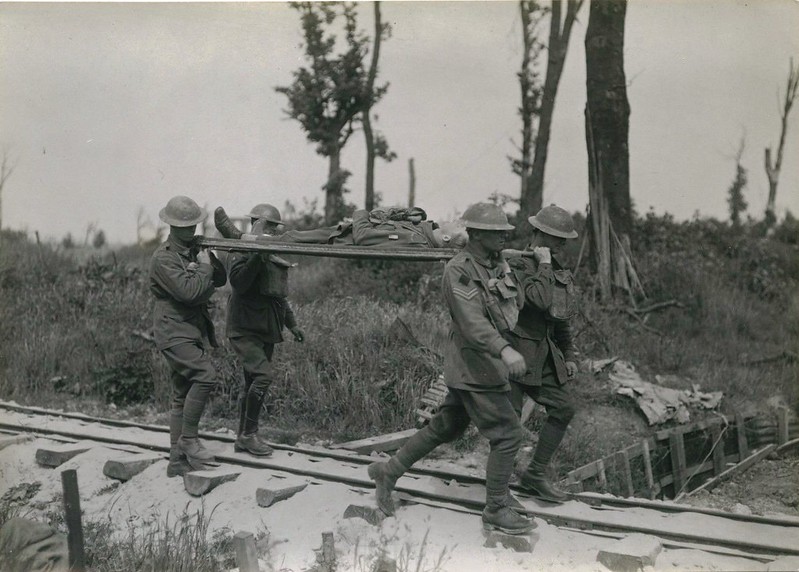
The First World War was one of the deadliest in history. By 1918, between 9 and 11 million military personnel had been killed and as many as 23 million had been wounded. As casualties increased, people began to search for ways to commemorate the loss of their loved ones.

 In the spring of 1915, the Flanders battlefields burst into flower. That winter, poppy seeds had been thrown wide by the bombardments and churn of battle.
John McCrae, a Canadian soldier, wrote a poem in memory of his friend who had died at Ypres. His poem, In Flanders Fields, was published in Punch magazine that December. It was an immediate success.
IN FLANDERS FIELDS
In Flanders fields the poppies blow
Between the crosses, row on row,
That mark our place; and in the sky
The larks, still bravely singing, fly
Scarce heard amid the guns below.
We are the Dead. Short days ago
We lived, felt dawn, saw sunset glow,
Loved and were loved, and now we lie
In Flanders fields.
Take up our quarrel with the foe:
To you from failing hands we throw
The torch; be yours to hold it high.
If ye break faith with us who die
We shall not sleep, though poppies grow
In Flanders fields.

The idea of using poppies as symbols of the sacrifice of soldiers during the war, and as a way to raise funds to support those who had suffered disability or hardship, began with two different women.
Inspired by McCrae’s poem, an American teacher called Moina Belle Michael campaigned in 1918 for The American Legion to adopt the poppy in their fundraising efforts for veterans of the war. The poppy was combined with a ‘torch of liberty’ to create a new badge. But it was not popular.
In France, Anna Guerin wanted to turn the poppy into the symbol of support and remembrance.
She had the brilliant idea to mass-produce artificial poppies from silk and to employ war widows living in war-torn France to make them. Guérin went on to sell poppies in Australia, New Zealand, Canada and Britain.
Major George Howson, winner of the Military Cross, and Jack Cohen MP established The Disabled Society to campaign for better prosthetic legs and access to jobs for men who had been wounded and disabled during the war.

In August 1921, Anna Guérin met with the British Legion to persuade them to buy her silk poppies in time for Remembrance Day that November. For a contribution, people could wear a poppy in memory of a loved one. Funds raised would support the British Legion’s work for veterans. Earl Haig, Britain’s senior commander during the war, liked the idea. A deal was struck and a new tradition was born.
The British Legion ordered 9 million silk poppies from Anna Guérin. They would be worn in return for a voluntary donation. The poppies sold out and £106,000 was raised – £3m in today’s money. But Earl Haig wanted to find a British supplier of silk poppies.
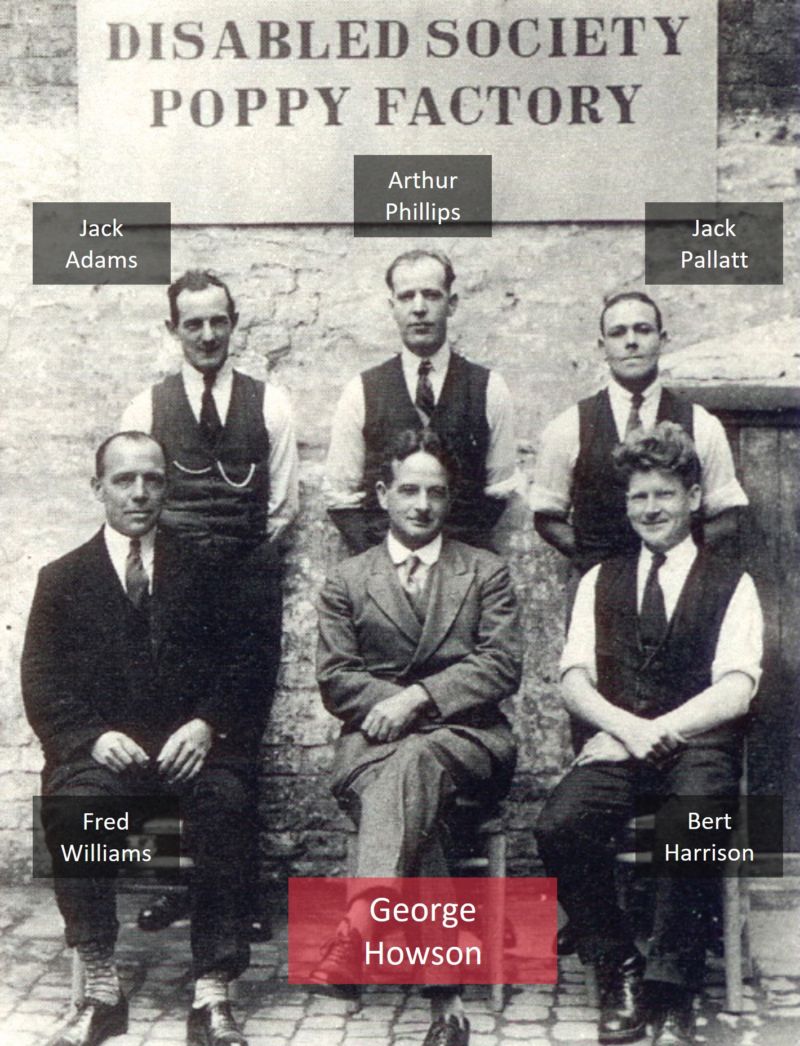
Hearing that the British Legion wanted to buy Remembrance poppies made in Britain, George Howson proposed that the poppies should be made by disabled war veterans in the UK.
The Legion agreed. In May 1922 it gave Howson £2,000 to establish a poppy-making factory.
Howson wrote: “If the experiment is successful it will be the start of an industry to employ 150 men.”
Our first factory opened on Monday 5 June 1922, in two rooms at Mitchell’s Collar Factory near Old Kent Road, south London. Fred Williams helped establish the factory and was appointed foreman. The first workers also included Jack Adams, Arthur Phillips, Jack Pallatt and Bert Harrison. All had been wounded in the war.
Within weeks of opening, over 40 men were employed. Within the first three years, they numbered more than 100.
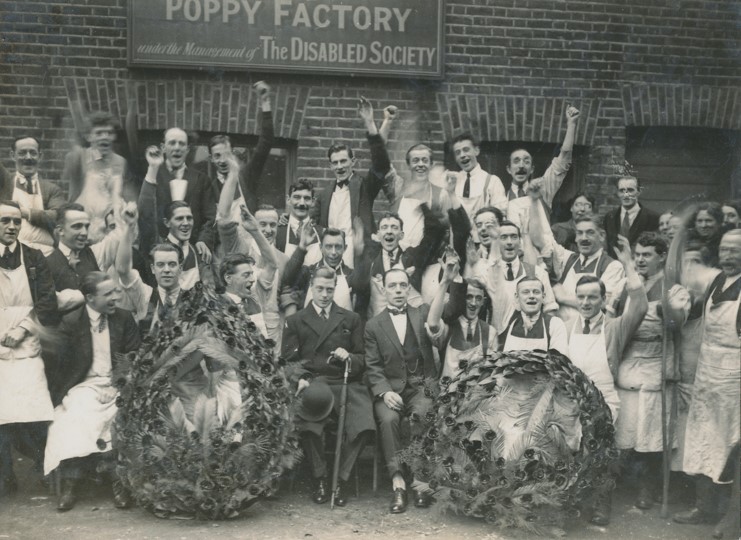
The Prince of Wales (later King Edward VIII) visited the factory in November 1924 and was photographed with everyone who worked there. He ordered a large Royal wreath to lay at the Cenotaph on November 11, establishing a tradition that continues today.
In 2020-21, our special wreath makers created around 250 wreaths for members of the Royal Family.

By 1925 The Poppy Factory had outgrown the old premises in Old Kent Road. Howson wanted to find enough land for a new factory and new housing for the workers and their families. Howson and his wife Jessie bought the old Lansdown Brewery site on Petersham Road, Richmond.
In 1930 the factory was making nearly 30 million poppies a year. By 1931, 58 new flats had been built and 320 men, women and children lived on the Richmond estate.
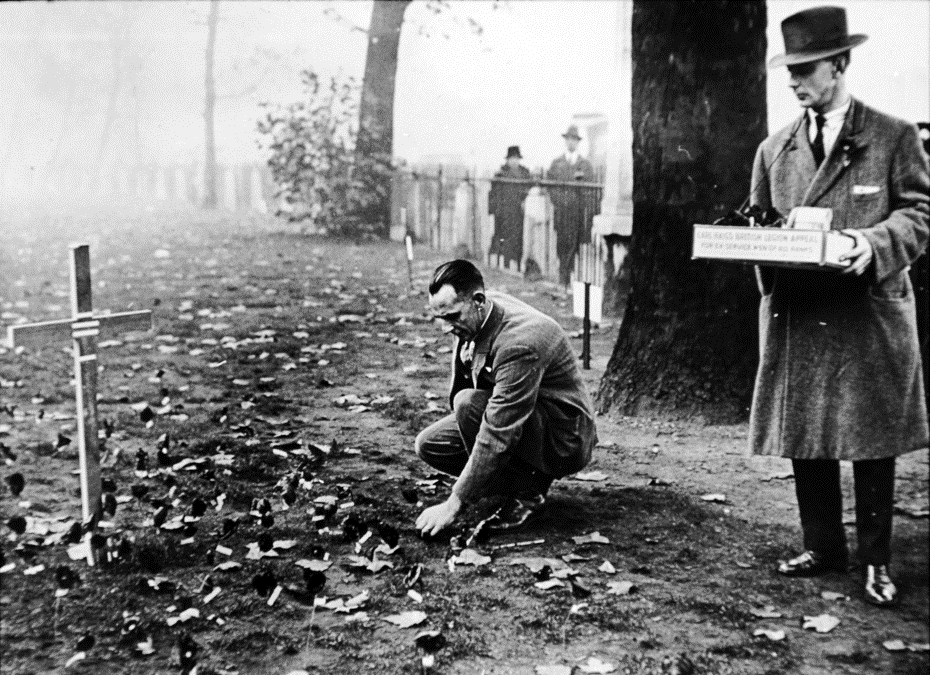
In 1928 George Howson suggested using land outside Westminster Abbey as a place where anyone could plant a poppy in memory of a loved one.
Workers from the factory sold the poppies and over 30,000 were planted in the grass. In later years they were replaced by crosses and other symbols. Another Remembrance tradition had been established.
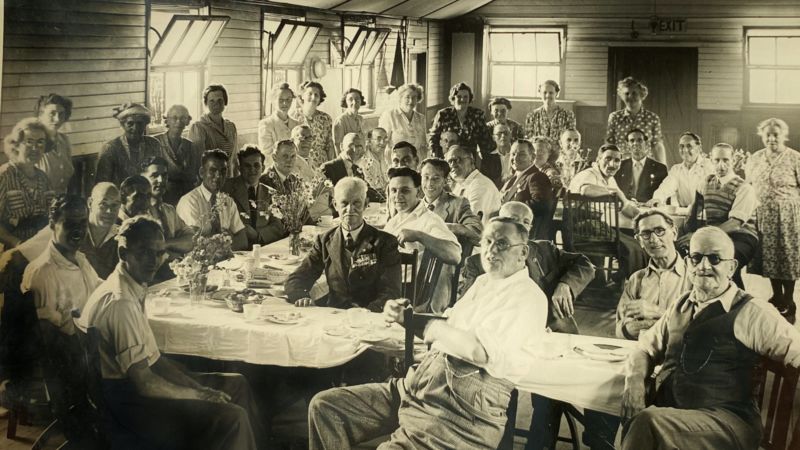
The factory was not just a place to work but a community, too. A social club was created for factory workers and their families in Cardigan House on the Richmond estate, where there was a bar and games room. Annual competitions took place in darts, billiards, bowls, dominos and gardening.
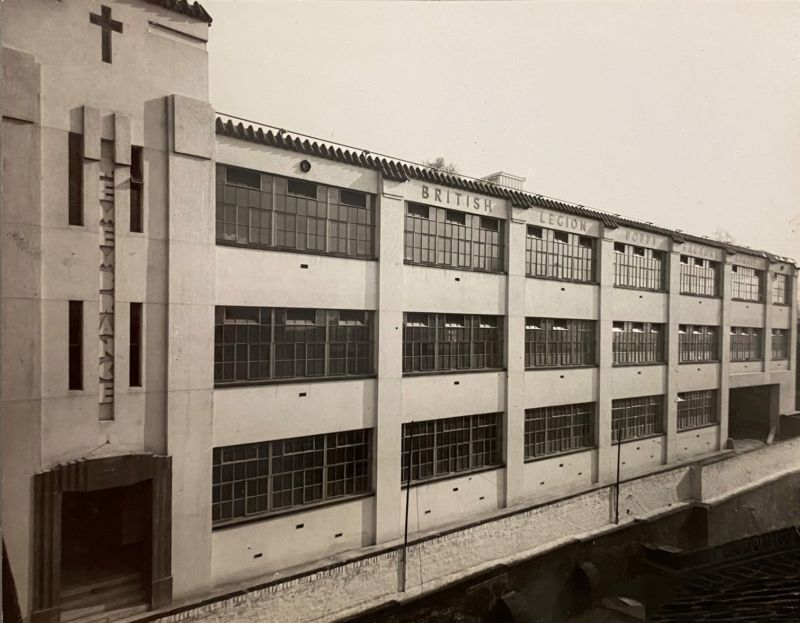
Work on a new factory building began in 1932 and was completed in 1933. It was designed in the Art Deco style and quickly became a local landmark. Today, our production team is still based this building, working year-round to create every Remembrance wreath by hand.
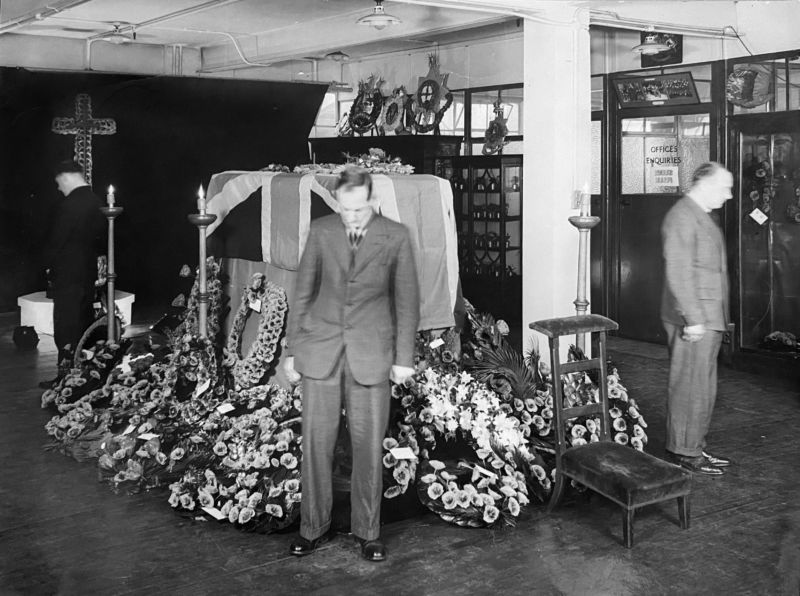
In November 1936, George Howson died of cancer, aged just 50.
He had visited the Factory in August, already very ill, when the men had rushed outside to wish him well. His coffin was brought in the factory van, as had been his wish, and every man took his turn to stand vigil with the coffin until the funeral.
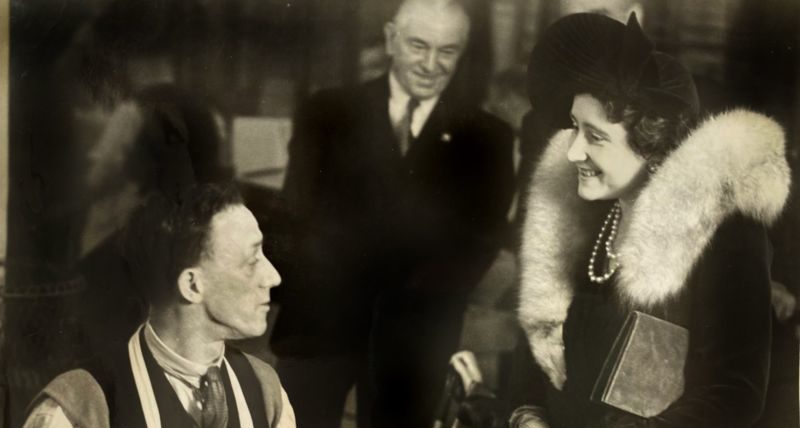
The Queen Mother visited the factory shortly after the outbreak of the Second World War in November 1939. Work carried on throughout the Second World War, despite shortages of materials and interruptions during air raids. Cardboard was used to replace the metal centres and stems of the poppies.
Many factory staff switched to war work for the Ministry of Aircraft Production, assembling radio parts until July 1945.
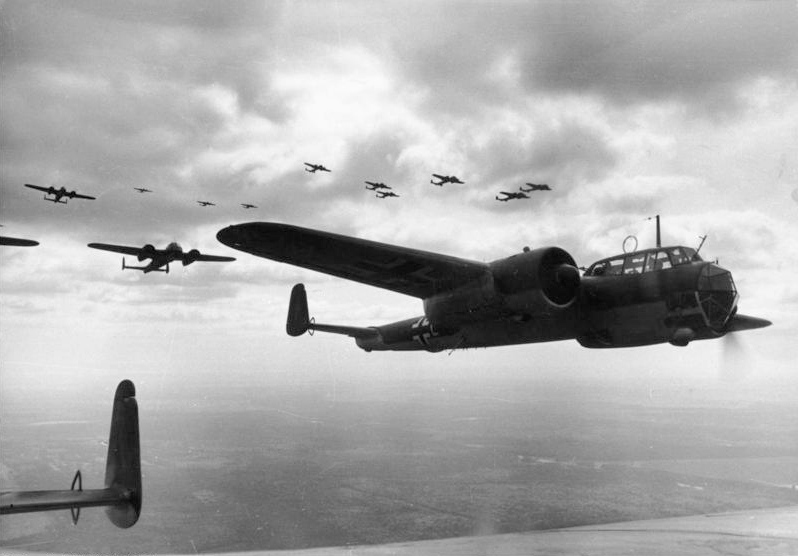
Tragedy struck on the night of November 29, 1940 when one of the factory’s air raid shelters was hit during an intense bombing raid. Eight people from four families were killed, including four children. Factory staff had to recover the survivors and the dead. It was the worst disaster in our history.
The factory’s general manager wrote: “Our only satisfaction is that we did all that was humanly possible and that, apart from the small boy and he was unconscious, all must have died instantaneously.”
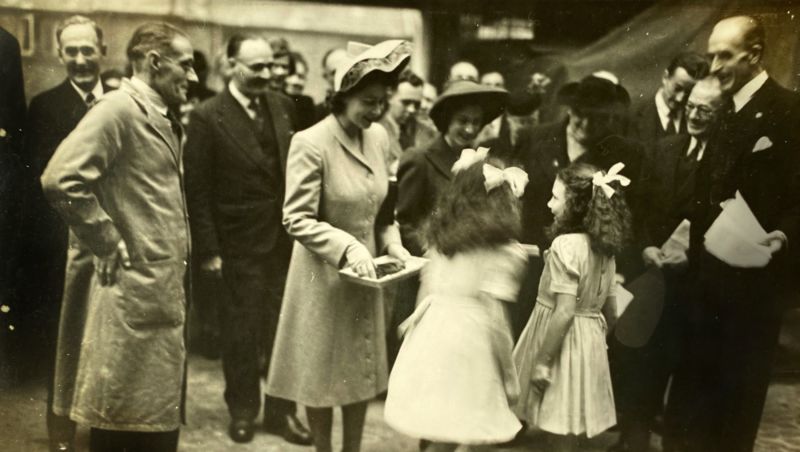
Princess Elizabeth first visited the factory in 1946. As Queen, Her Majesty has visited us three more times since, in 1962, 1992 and 2012.
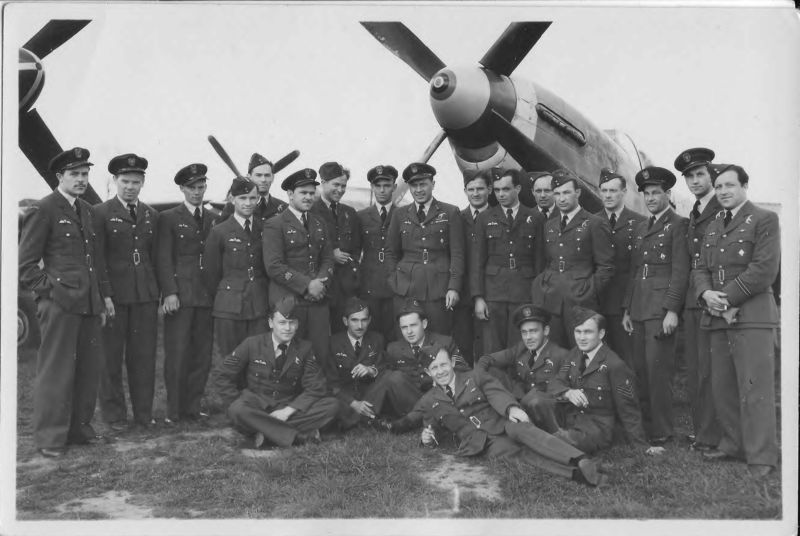
The first of many Polish men, who had fought alongside British forces during the Second World War, joined the factory in 1952.
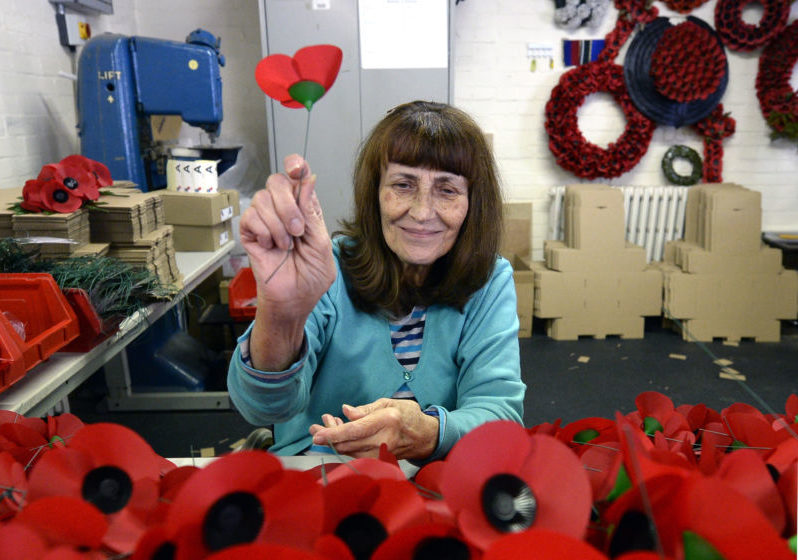
The first women joined the workforce from 1959. After the Second World War, we began to mechanise poppy-making and modernise the design and materials that were used.
It was not unusual for men and women to work at the factory for many decades.
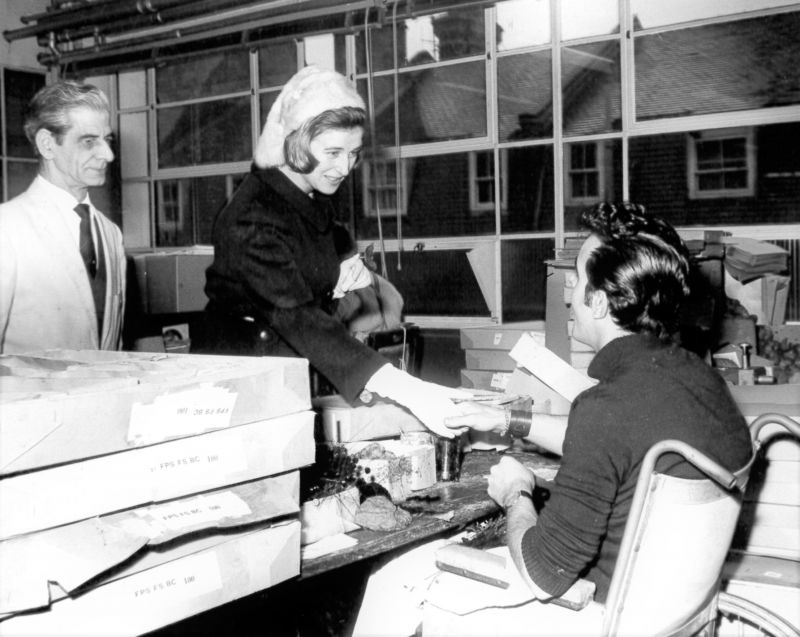
By the middle of the last century, Royal visits were an established tradition at the factory. Princess Alexandra is pictured here visiting in 1965 and again in 1979.
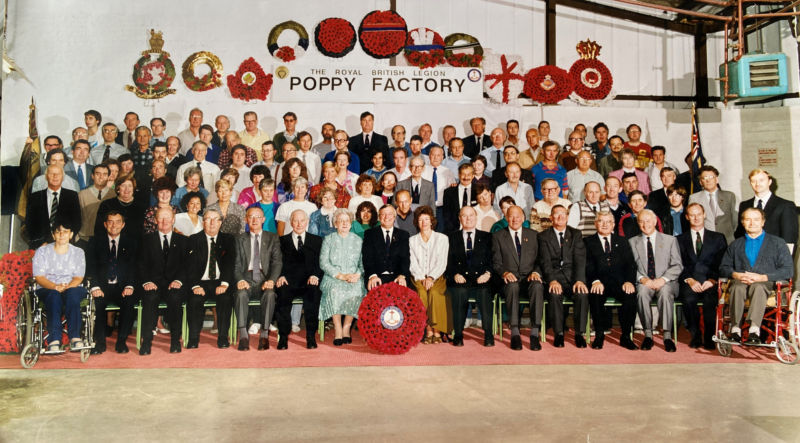
This photo was taken on our 70th anniversary in 1992. At the time, our workforce in Richmond numbered around 100. The Queen visited again in this year, too.
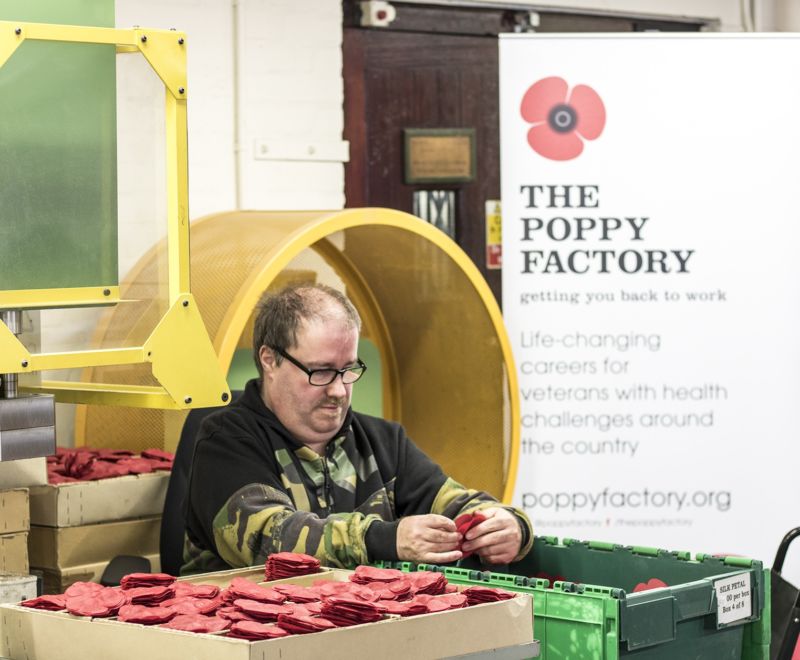
The Poppy Factory had often served as a stepping stone for veterans with health conditions who needed help moving back into work after service. In 2005, responding to changing needs among ex-Forces communities, our charity began supporting veterans into different kinds of civilian of employment. Alongside this wider focus, we continued to provide a supportive environment for the production team in our Richmond factory.
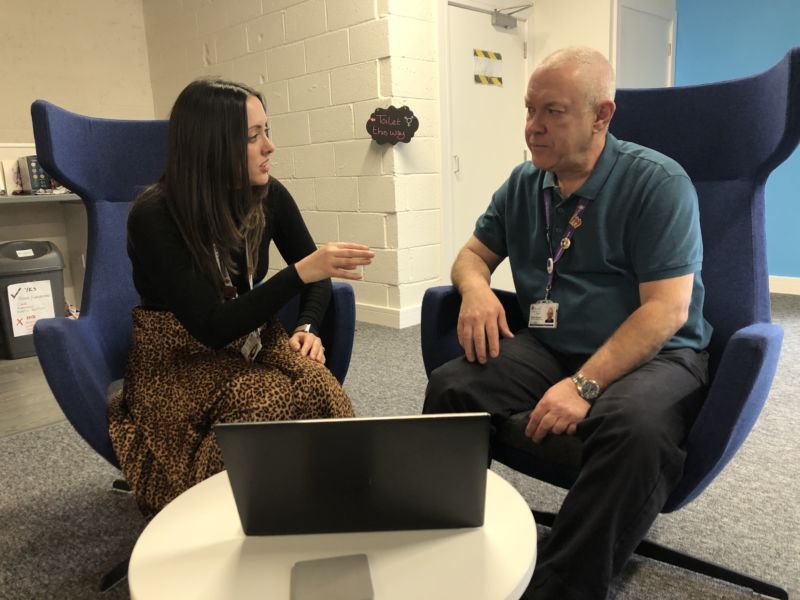
We launched our employment service in 2010 to help veterans with health conditions overcome barriers and move back towards employment, across England and Wales. We began recruiting Employment Consultants in all regions to work with closely veterans, building partnerships and connecting with local employers.
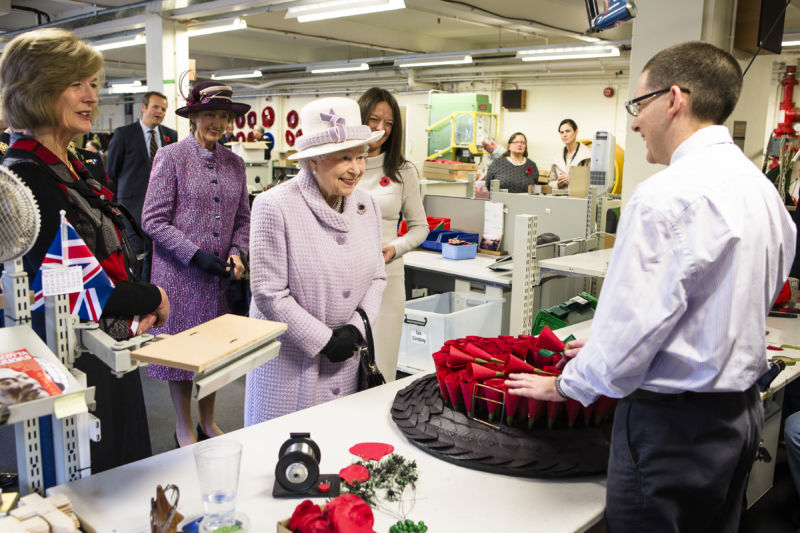
We were honoured to have The Queen visit the factory once again in November 2012 for our 90th anniversary. Her Majesty spent time with our production team and heard about the techniques still used in the factory to create Royal Remembrance wreaths.
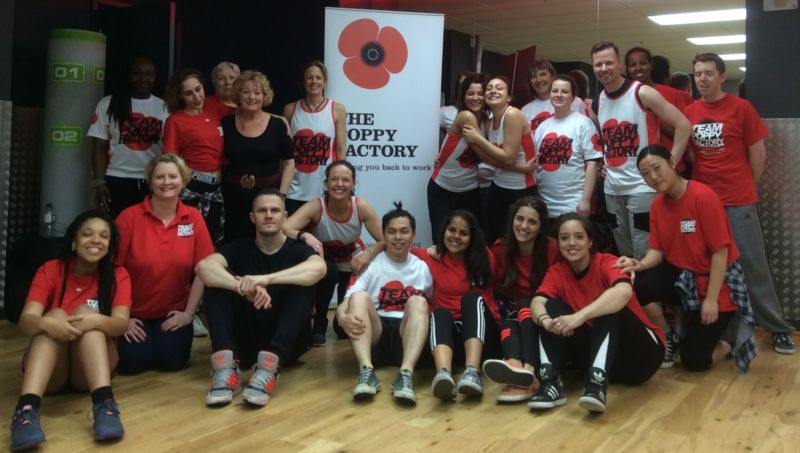
When we launched The Poppy Factory’s employment service, we set a target to support 500 veterans into sustainable, meaningful work by 2016. That important milestone was reached in the summer of 2015, when we launched the 500 Challenge fundraiser to help us support 500 more.
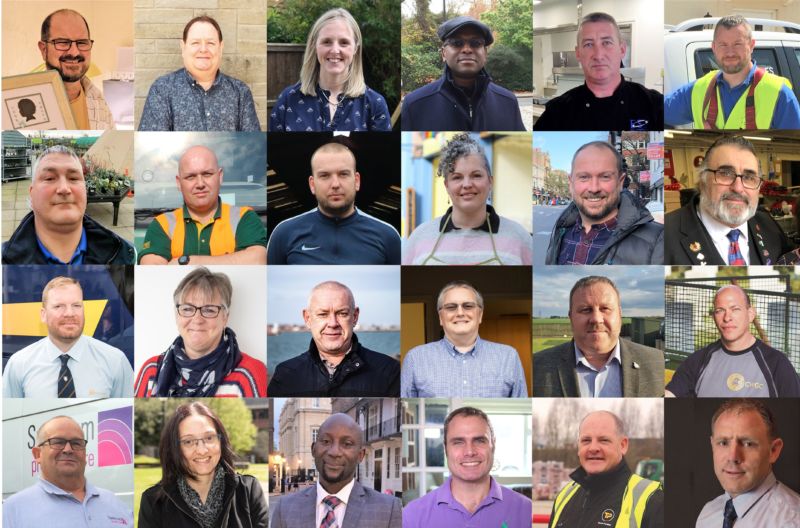
A team of seven veterans supported into all kinds of employment by The Poppy Factory took part in the Jubilee Sailing Trust’s Round Britain Challenge. The team sailed from Cardiff to London on the final leg of Lord Dannatt’s challenge to commemorate 100 years since the end of the First World War.
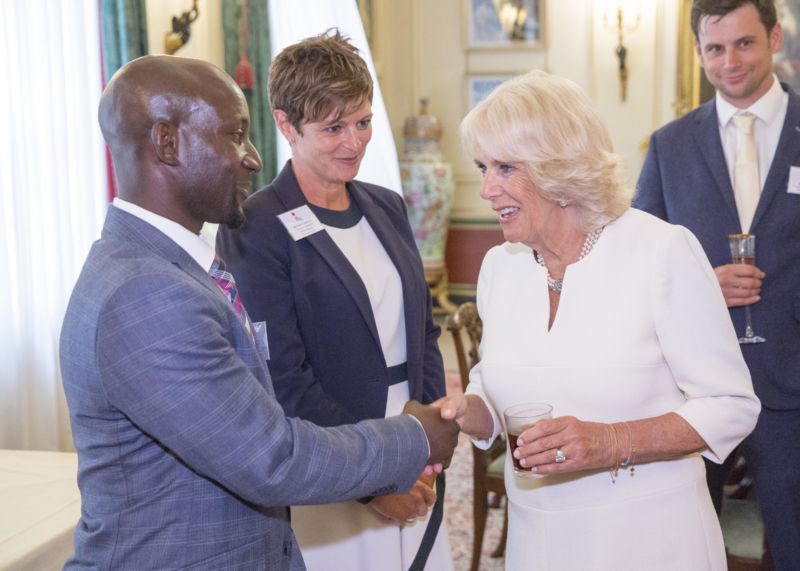
As the employment service grew and became more established, our charity was able to support more veterans with health conditions each year. In 2018 we achieved our next aim of supporting 1000 veterans into employment. Members of the ex-Forces community who have been supported by The Poppy Factory were invited to a reception at Clarence House hosted by our Patron, Her Royal Highness The Duchess of Cornwall.
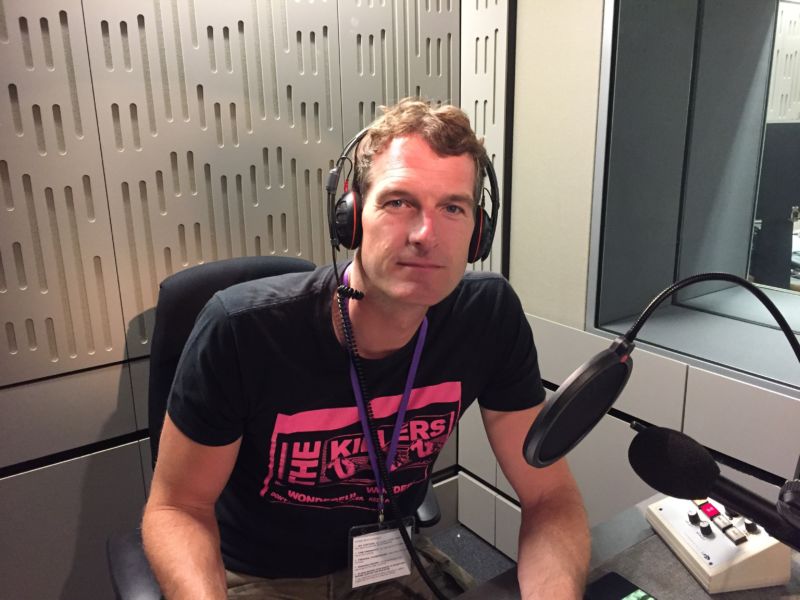
Broadcaster and historian Dan Snow MBE urges members of the public to get behind ex-Forces men and women with health conditions by presenting The Poppy Factory’s BBC Radio 4 charity appeal. He said: “It’s a great honour to be a part of The Poppy Factory’s campaign to support injured and sick veterans back into work and help them regain a sense of purpose. Nothing is more important.”
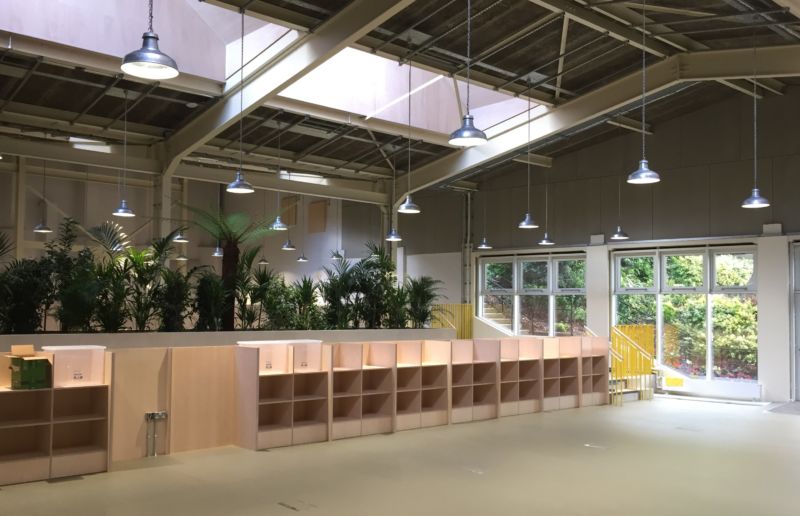
In 2019 and 2020, our factory building and offices in Richmond-upon-Thames were completely redeveloped. This much-needed work transformed our historic home into a modern, open and inclusive environment that will meet the needs of the organisation, our workers and visitors in the years ahead.
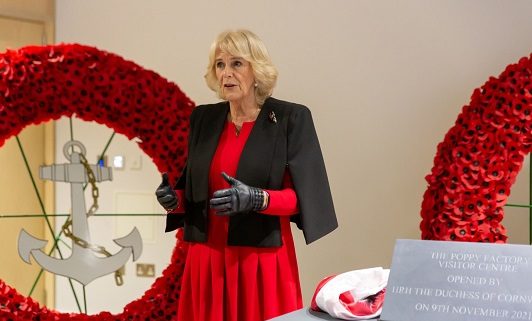
We were honoured to have our Patron, Her Royal Highness The Duchess of Cornwall, formally open The Poppy Factory’s new visitor centre in November 2021. The centre tells the story of our first workers, how they lived and how their hard work helped build our shared Remembrance tradition. And it is the story of all those veterans we have supported since; veterans who have taken on diverse roles throughout society as our employment support service has grown.

In 2022 we mark 100 years of The Poppy Factory. Throughout our centenary year, we are bringing our community together to celebrate the contributions of all those who played a role in the history of our charity, from our earliest days through to the people we work with and support today.